Broad Consistency Between Observed and Simulated Trends in Sea Surface Temperature Patterns

Olonscheck D., Rugenstein M. and Marotzke J. 2020. Broad Consistency Between Observed and Simulated Trends in Sea Surface Temperature Patterns. Geophysical Research Letters. 47(10), pe2019GL086773. DOI: 10.1029/2019GL086773.

An Emission Pathway Classification Reflecting the Paris Agreement Climate Objectives

Schleussner C.-F., Ganti G., Rogelj J. and Gidden M.J. 2022. An Emission Pathway Classification Reflecting the Paris Agreement Climate Objectives. Communications Earth & Environment. 3(1), p135. DOI: 10.1038/s43247-022-00467-w.

Errors in Simple Climate Model Emulations of Past and Future Global Temperature Change

Jackson L.S., Maycock A.C., Andrews T., Fredriksen H.-B., Smith C.J. and Forster P.M. 2022. Errors in Simple Climate Model Emulations of Past and Future Global Temperature Change. Geophysical Research Letters. 49(15), pe2022GL098808. DOI: 10.1029/2022GL098808.

Zero in on remaining carbon budget and decadal warming rates

ZERO IN Report 4

Our fourth ZERO IN report looks at how cutting emissions in this critical decade for climate can limit temperature rise and other climate impacts in the near-term. In doing so it provides supporting information on the latest IPCC reports, unpacking the level of action needed to slow down and even halt warming in the coming decades, in line with the Paris Agreement. It also shows how increased ambition and action can limit the worst climate impacts, from floods and cyclones to heatwaves, across the world.

The Role of the North Atlantic Oscillation for Projections of Winter Mean Precipitation in Europe

McKenna C.M. and Maycock A.C. 2022. The Role of the North Atlantic Oscillation for Projections of Winter Mean Precipitation in Europe. Geophysical Research Letters. 49(19), pe2022GL099083. DOI: 10.1029/2022GL099083.

Zero in on remaining carbon budget and decadal warming rates

ZERO IN Report 3

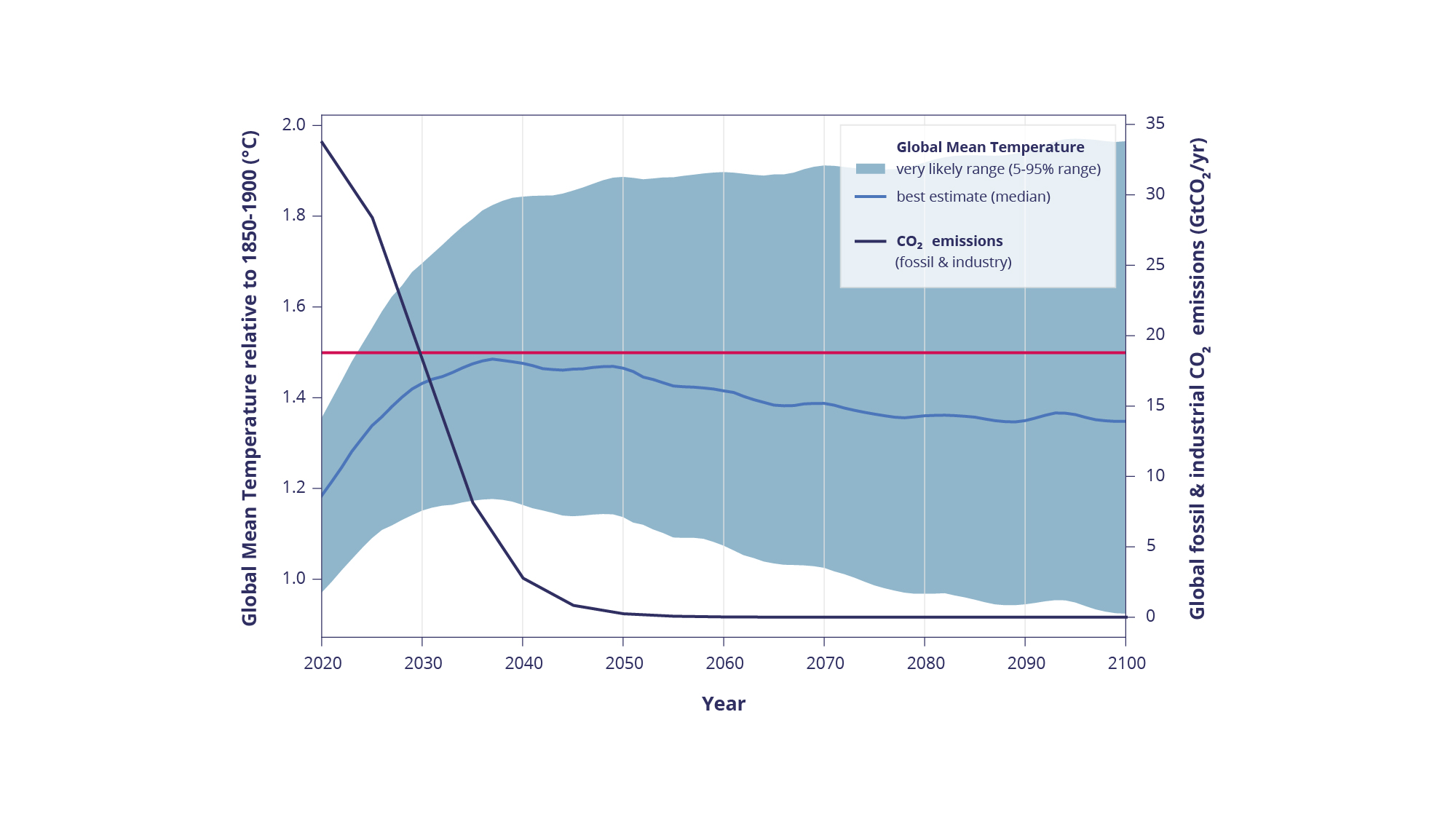
Our third ZERO IN report shows how the chances of global temperature rise staying within 1.5°C this century could range from around 75% to less than 30%, depending on how the climate system responds.

We therefore need to look at the range of temperature projections provided by climate models, rather than just single best estimates, when assessing our chances of keeping warming below a certain temperature. This doesn’t mean that it will be harder to stay within 1.5°C than we thought – instead, it shows that, alongside different emissions pathways, complex climate processes could lead us to different climate futures.

The overall message is that, instead of focusing on a single estimate of future temperature change, we need to prepare for a range of eventualities. The more we are aware of these eventualities, the better we can plan for what lies ahead.

Understanding the Extreme Spread in Climate Sensitivity within the Radiative‐Convective Equilibrium Model Intercomparison Project

Becker T. and Wing A.A. 2020. Understanding the Extreme Spread in Climate Sensitivity within the Radiative-Convective Equilibrium Model Intercomparison Project. Journal of Advances in Modeling Earth Systems. 12(10), pe2020MS002165. DOI: 10.1029/2020MS002165.

Simulated Tropical Precipitation Assessed across Three Major Phases of the Coupled Model Intercomparison Project (CMIP)

Fiedler S., Crueger T., D'Agostino R., Peters K., Becker T., Leutwyler D., Paccini L., Burdanowitz J., Buehler S.A., Cortes A.U., Dauhut T., Dommenget D., Fraedrich K., Jungandreas L., Maher N., Naumann A.K., Rugenstein M., Sakradzija M., Schmidt H., Sielmann F., Stephan C., Timmreck C., Zhu X. and Stevens B. 2020. Simulated Tropical Precipitation Assessed across Three Major Phases of the Coupled Model Intercomparison Project (CMIP). Monthly Weather Review. 148(9), pp.3653-3680. DOI: 10.1175/MWR-D-19-0404.1.

Quantifying Uncertainty in Aggregated Climate Change Risk Assessments

Harrington L.J., Schleussner C.-F. and Otto F.E.L. 2021. Quantifying Uncertainty in Aggregated Climate Change Risk Assessments. Nature Communications. 12(1), p7140. DOI: 10.1038/s41467-021-27491-2.

Zero in on remaining carbon budget and decadal warming rates

ZERO IN Report 2

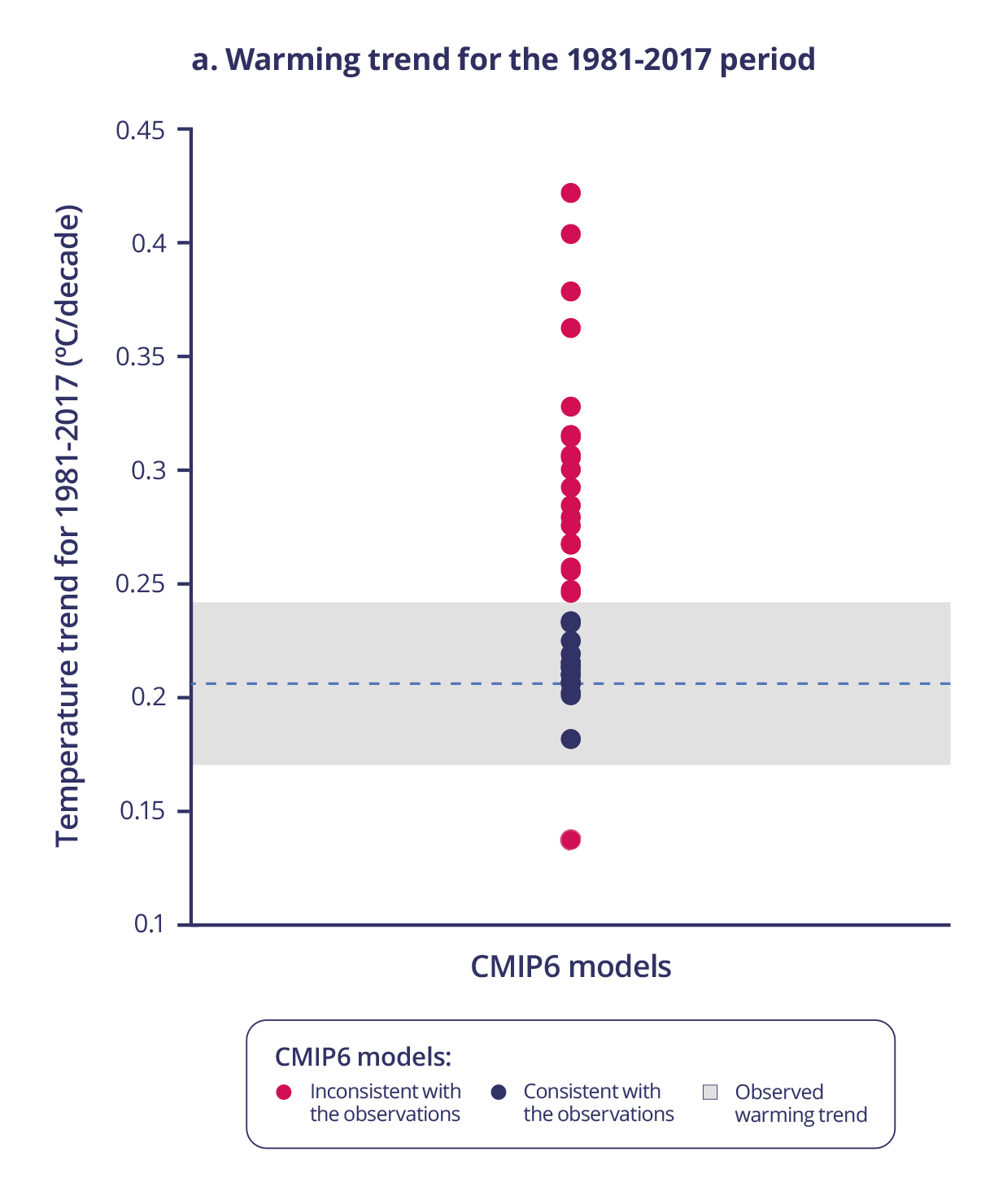
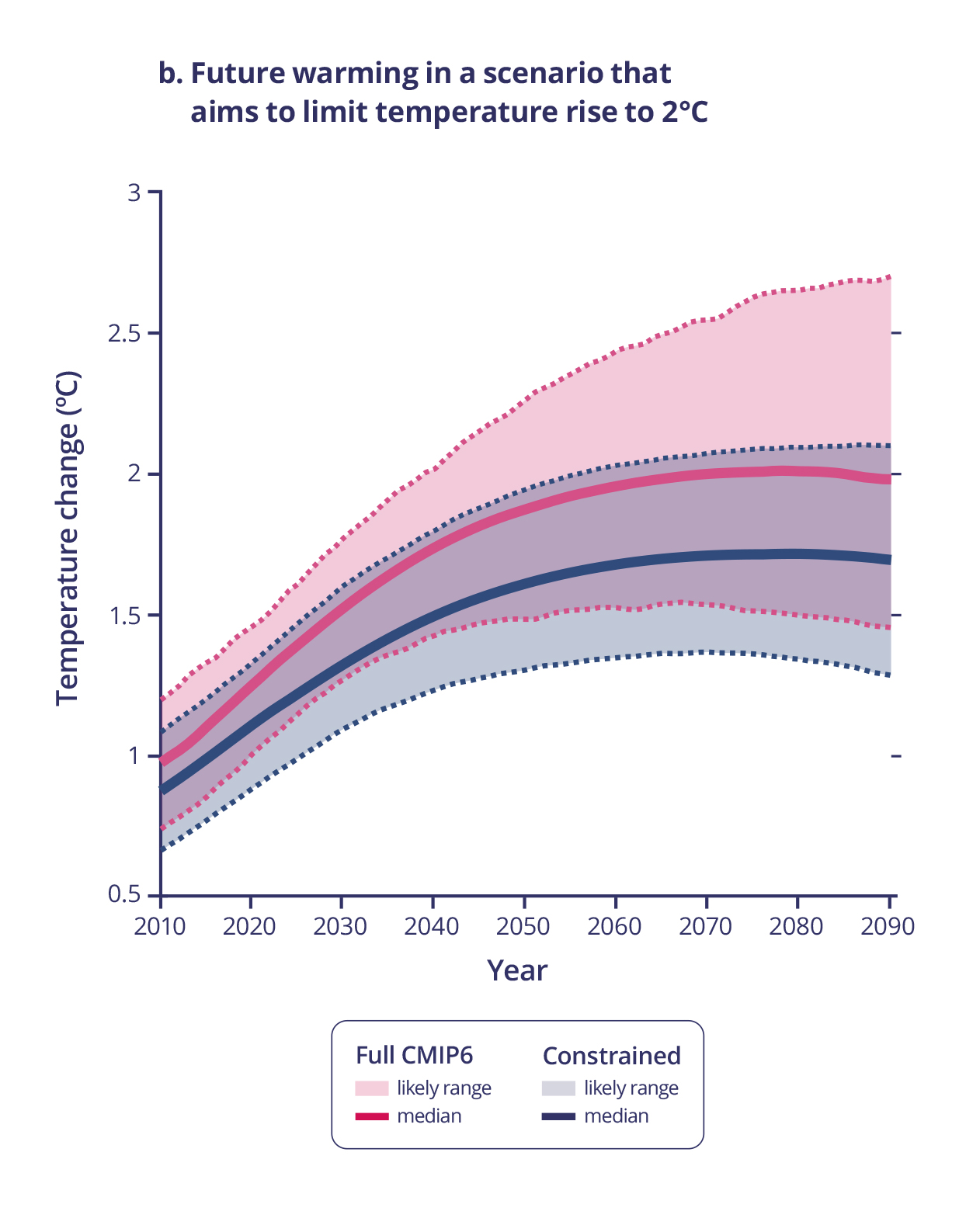
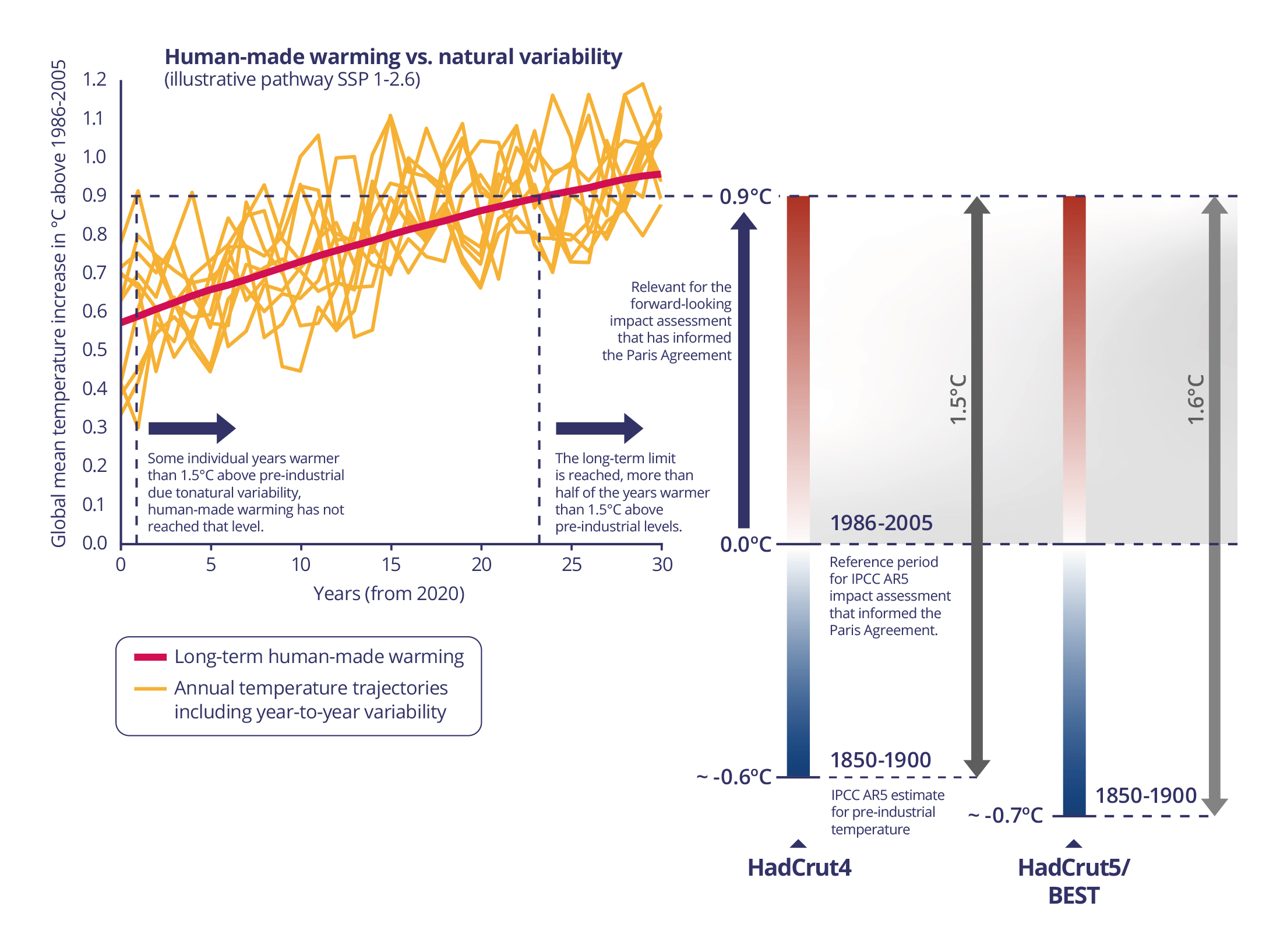
Our second report zeroes in on a new generation of climate models, known as CMIP6, and the science behind the Paris Agreement's Long Term Temperature Goal (LTTG), highlighting how improved understanding in both areas can help us to better plan for what lies ahead in terms of our future climate.

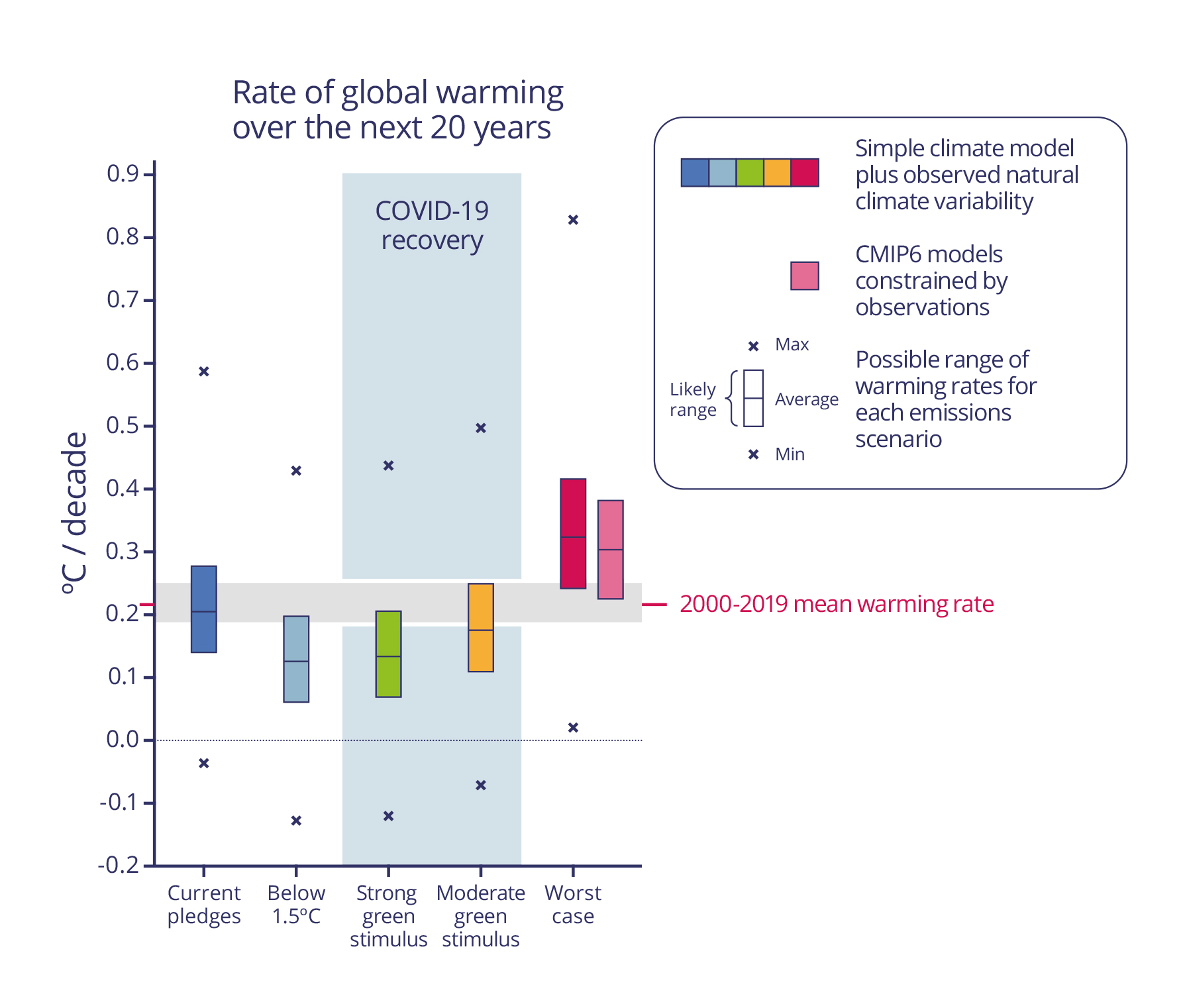
We also highlight the effect of COVID-19 on climate - although this has so far been negligible, a green recovery could profoundly alter the trajectory of climate change over the next two decades, both slowing down the rate of global warming and getting the world on a 1.5°C pathway.